
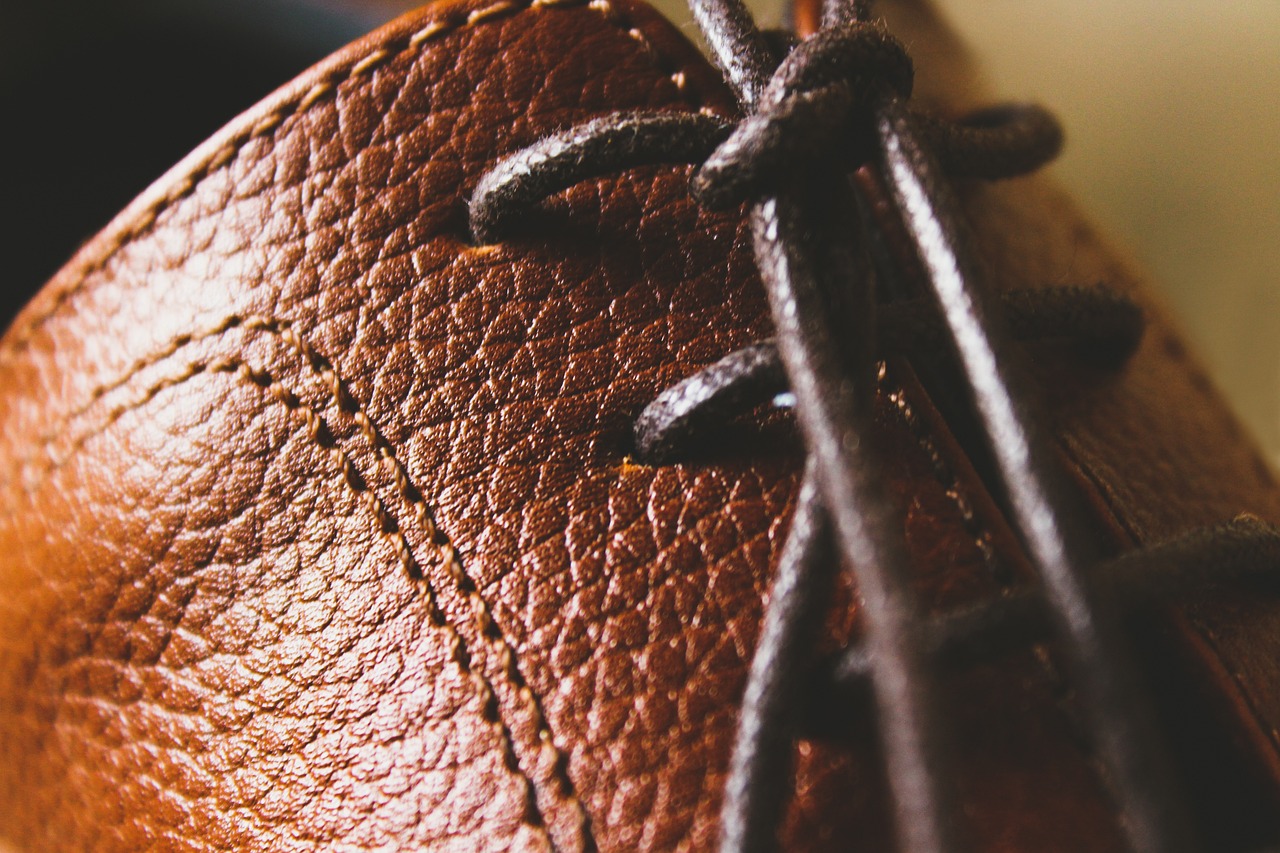
Why proper shoe care matters
Most people underestimate how much shoe care affects cost-per-wear. Clean, well-maintained footwear resists wear and tear, prevents odor and fungal issues, and performs better in all kinds of weather. Whether you own leather dress shoes, canvas sneakers, hiking boots or high-performance trail runners, sensible and regular maintenance saves money and keeps your feet comfortable and healthy.
Quick checklist – Accessories, you’ll need
- Soft brushes (horsehair brush and a firm nylon brush selection)
- Microfiber cloths and old soft toothbrushes
- Mild soap (saddle soap or gentle dish soap for canvas/synthetics)
- AccesLeather conditioner, suede eraser/brush, waterproofing spray
- Shoe trees (cedar preferred), shoe bags, collapsible forms
- Baking soda, activated charcoal or odor-absorbing inserts
- alternatively Shoe Polish
Tip 1 — Rotate and give shoes time to rest
Wearing the same pair day after day compresses the insole and traps moisture. Rotate among at least two pairs so each pair has 24–48 hours to air out and recover. Use shoe trees for leather shoes to help wick moisture, reduce creasing and maintain shape. If you don’t have cedar trees, stuff shoes with crumpled paper (not newspaper ink) or clean towels overnight.
Tip 2 — Clean appropriately for the material
Different materials need different approaches. Cleaning the wrong way can damage finishes or color. Here are safe, step-by-step methods for common materials.
Leather (smooth finish)
- Remove loose dirt with a soft brush or damp cloth.
- Use a small amount of saddle soap or mild leather cleaner applied with a damp cloth.
- Wipe off residue, let dry away from direct heat.
- Apply leather conditioner to nourish the leather and prevent cracking.
- Finish with a suitable wax or cream polish to restore shine and protection.
Suede and nubuck
- Brush with a suede brush to lift nap and remove surface dirt.
- Use a suede eraser for scuffs or spots, then brush again.
- If wet, blot gently and let dry naturally; avoid water-based cleaners unless specified.
- After cleaning, apply a suede/nubuck protector spray to repel moisture and stains.
Canvas and fabric
- Remove laces and insoles. Brush off dirt and debris.
- Use a mixture of warm water and mild soap; scrub gently with a soft brush.
- Rinse with a damp cloth; don’t saturate the shoe. Air dry with good ventilation.
- For white rubber soles, a paste of baking soda and water can brighten scuffs.
Synthetics and athletic shoes
- Follow manufacturer care instructions—many offer specific cleaning tips for technical fabrics.
- Spot clean with mild soap and water. Machine washing is sometimes acceptable for removable insoles and laces, but check labels.
- Allow full air drying; use fans or shoe dryers designed to gently remove moisture without heat damage.
Tip 3 — Drying and storage: do it right
Heat is a shoe’s enemy. Never put shoes on radiators or in hot direct sunlight — high heat warps glue and dries out leather. Instead, dry shoes at room temperature with good airflow. For wet shoes, stuff with absorbent paper (not newspaper) and change it as it becomes damp. For long-term storage, use shoe trees to keep shape, keep boxes ventilated and store in a cool, dry place away from sunlight.
Tip 4 — Protect before trouble starts
Prevention is often easier than repair. Apply protective treatments suited to the material:
- Waterproof sprays for suede, nubuck and textiles.
- Leather wax or cream with UV protection for dress shoes.
- Specialized membrane care for waterproof outdoor footwear (e.g., Gore-Tex).
For detailed guidance on maintaining waterproof footwear, check official membrane care advice like GORE-TEX care instructions, and for outdoors-specific cleaning methods, see resources like REI’s guide to cleaning footwear.
Tip 5 — Repair early and know when to replace
Small repairs extend life. Replace worn soles before the upper is damaged; resoling is often cheaper than buying new premium shoes. Replace broken laces, repair loose stitching quickly, and fix insole issues to preserve comfort. If shoes smell, remove insoles, wash separately if possible, and treat with baking soda or odor-absorbing inserts. For persistent problems or structural damage, professional cobblers can rejuvenate many types of footwear.
Special situations and quick fixes
Salt and winter stains
Salt from roads can stain leather and fabric. Wipe with a 1:1 solution of water and white vinegar to neutralize salt, then condition leather afterward.
Oil and grease spots
Sprinkle cornstarch or talcum powder on fresh oil stains and let sit to absorb, then brush away. For leather, follow with a leather cleaner and conditioner.
Scuffed leather
Use a neutral or matching polish to blend scuffs. For deep scuffs, a leather repair kit or professional touch-up may be necessary.
Wet suede
Let dry naturally; brush only when fully dry to restore the nap. Never iron suede to speed drying.
Products worth having
- Neutral saddle soap and leather conditioner
- Suede brush and eraser
- Waterproofing spray compatible with your shoe materials
- Shoe trees (cedar if possible)
- Odor absorbers and quality insoles
Further reading and resources
If you want deeper, product-specific directions, you might enjoy reading practical guides from popular outdoor and lifestyle resources. For consumer-friendly tutorials and tips across shoe types, check out The Spruce’s shoe-cleaning tips, and for outdoor and technical footwear instructions, REI’s detailed advice is helpful: REI’s guide to cleaning footwear. For membrane-specific caution, especially if you own waterproof shoes, see GORE-TEX maintenance instructions.
If you’d like to explore more lifestyle and tech-oriented articles on this blog, visit the homepage at Geekub.com.
Final thoughts
Good shoe maintenance is a mix of simple daily habits and occasional deeper attention. Rotate your footwear, clean according to the material, dry and store properly, protect proactively, and repair small issues early. With these five simple tips and the right tools, you’ll get more life out of every pair, save money, and step out in confidence.
Got a stubborn stain or a shoe you love and want to restore? Ask a specific question about the material and problem, and I’ll walk you through a tailored repair or cleaning plan.