
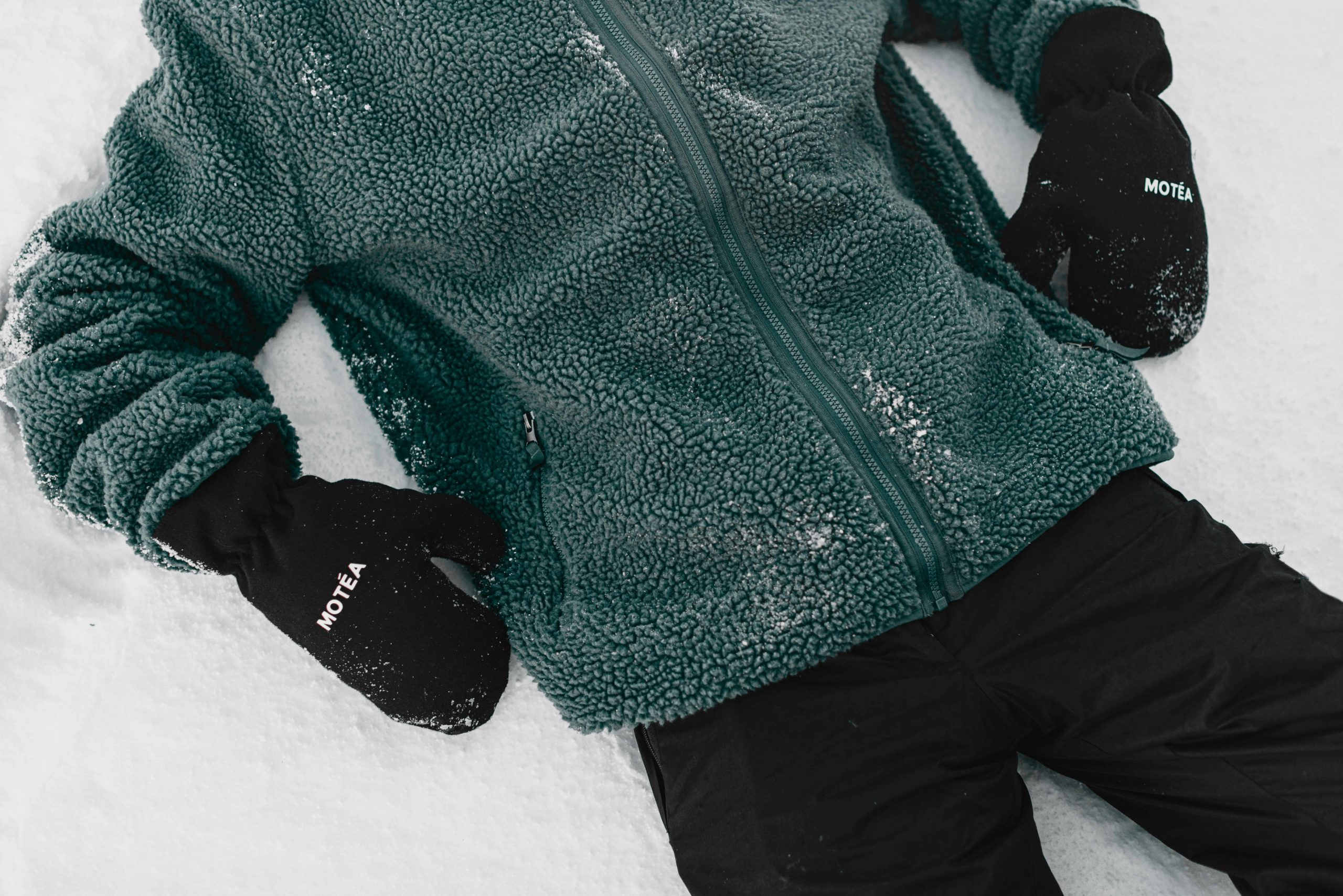
Choosing the right jacket is rarely as simple as picking the warmest or the most popular option. For many people interested in outdoor clothing, the decision often comes down to two familiar choices: a fleece jacket or a softshell jacket. Both are widely used, both are marketed as versatile, and both appear in similar situations — hiking, travel, everyday wear, and light outdoor activities. Yet despite this overlap, fleece and softshell jackets are designed with very different priorities in mind.
Understanding those priorities is key to choosing a jacket that actually works for your needs, rather than one that simply looks right on paper.
Why Fleece and Softshell Are So Often Compared
The confusion between fleece and softshell jackets usually starts with how they are positioned. Both are often described as “all-purpose” or “multi-season” garments. Both are worn in cool to cold conditions and are commonly used as either outer layers or part of a layering system. From a distance, they may even look similar.
However, their performance in real-world conditions can be very different. The reason for this lies in what each jacket is designed to do best. Fleece focuses on insulation and breathability, while softshell prioritizes protection from wind and light weather exposure. When users are unaware of this distinction, expectations and reality often collide.
What a Fleece Jacket Is Designed For
At its core, a fleece jacket is an insulating layer. It is typically made from polyester fabric that has been brushed to create a soft, lofted structure. This structure traps air, which helps retain body heat. At the same time, the open nature of the fabric allows moisture and excess heat to escape.
This combination makes fleece exceptionally comfortable during physical activity, especially when intensity levels change. Hiking uphill, slowing down on flat terrain, and stopping for short breaks all place different demands on clothing. Fleece adapts well to these transitions because it breathes efficiently and regulates temperature naturally.
Another reason fleece remains so popular is comfort. It is soft, lightweight, and flexible, making it easy to wear for long periods. For many people, fleece becomes a go-to option not only for outdoor activities but also for travel, commuting, and casual everyday use.
That said, fleece has a clear limitation: it offers almost no protection against wind or rain. Even a moderate breeze can significantly reduce its warmth. This means fleece works best either in calm, dry conditions or as a mid-layer worn under a protective outer shell.
What a Softshell Jacket Is Designed For
A softshell jacket takes a different approach. Instead of focusing purely on insulation, it aims to balance several functions in one garment. Softshells are typically made from tightly woven synthetic fabrics that block wind and resist light moisture. Many also include stretch fibers, allowing the jacket to move naturally with the body.
Softshell jackets are primarily designed to be worn as outer layers. Their wind resistance makes them far more effective than fleece in exposed environments, such as open trails, ridgelines, or coastal areas. Light rain or snow is usually not a problem either, at least for short periods.
This makes softshells particularly attractive for active outdoor use. During hiking, climbing, cycling, or similar activities, a softshell can often be worn continuously without the need to add or remove layers. For users who prefer simplicity, this is a major advantage.
However, this added protection comes with trade-offs. Softshell jackets are generally less breathable than fleece and provide less insulation. During intense activity, they may trap more heat, and in colder or static conditions, they may not feel warm enough on their own.
Warmth vs Protection: The Core Difference
One of the most important differences between fleece and softshell jackets is how they manage warmth and protection.
Fleece provides warmth by trapping air, but it does little to stop external forces like wind from removing that heat. Softshells, on the other hand, actively block wind, which helps preserve warmth even if the jacket itself is not heavily insulated.
In calm conditions, fleece often feels warmer. In windy conditions, a softshell can feel significantly more comfortable, even if it is technically less insulating. This distinction explains why fleece is often favored for layering, while softshells are preferred as standalone outer layers.
Breathability and Activity Level
Another key consideration is breathability. Fleece excels here. Its open structure allows moisture vapor to escape easily, reducing sweat buildup and improving comfort during variable or high-output activities.
Softshell jackets are breathable compared to fully waterproof shells, but they still restrict airflow more than fleece. For users who generate a lot of body heat or engage in steep ascents, this can lead to overheating if conditions are mild.
As a result, fleece is often the better choice for activities with frequent intensity changes, while softshells perform best during steady movement in cooler, windier environments.
Durability and Everyday Practicality
Softshell jackets generally outperform fleece when it comes to durability. Their outer fabrics resist abrasion from backpacks, rough terrain, and repeated use. This makes them a good choice for technical activities or frequent outdoor exposure.
Fleece, while durable enough for daily wear, tends to show signs of wear sooner. Pilling and fabric thinning are common over time, especially in high-friction areas. While this usually does not affect warmth, it can influence how long the jacket looks presentable.
From a maintenance perspective, fleece is simpler. It requires little care and performs consistently without special treatments. Softshell jackets often rely on water-repellent coatings that need to be maintained to preserve performance.
When Fleece Makes More Sense
Fleece is an excellent choice in cold, dry conditions with minimal wind. It works particularly well as a mid-layer in layered systems and during activities with changing intensity. It is also hard to beat for comfort, travel, and casual use.
For users who value breathability, softness, and ease of use, fleece remains one of the most practical options available.
When Softshell Is the Better Option
Softshell jackets shine in windy, exposed environments and during active use in mild to cool conditions. They are ideal when weather protection matters more than maximum warmth and when freedom of movement is essential.
For users who want a single outer layer that can handle changing conditions without constant adjustments, a softshell often provides the best balance.
So Which One Should You Choose?
The short answer is that neither fleece nor softshell is universally better. Each serves a different purpose, and the right choice depends on how and where you plan to use the jacket.
Many experienced users eventually choose to own both. A fleece provides reliable insulation and comfort, while a softshell offers protection and durability. Used together or separately, they cover a wide range of conditions more effectively than either could alone.
👉 If you want a deeper, side-by-side comparison, including detailed pros and cons, real-world performance insights, and specific recommendations for different activities and weather conditions, read full guide here: Fleece vs Softshell – Which Is Better and When?