
When “Heweliusz”: a breathtaking Polish Netflix series premiered on Netflix on November 5, 2025, it arrived not just as another prestige European drama — but as a haunting reconstruction of one of Poland’s darkest maritime tragedies. Directed by Jan Holoubek (The Mire, Great Water) and written by Kasper Bajon, the five-part miniseries revisits the 1993 sinking of the ferry MS Jan Heweliusz, which claimed the lives of 55 people in the icy waters of the Baltic Sea.
Within days of its release, Heweliusz surged into Netflix’s Top 10 in Poland and Germany, generating wide critical discussion and emotional reactions from audiences who remember — or are only now learning about — that stormy January night.
Listen to these tragic events – one meter from rescue.
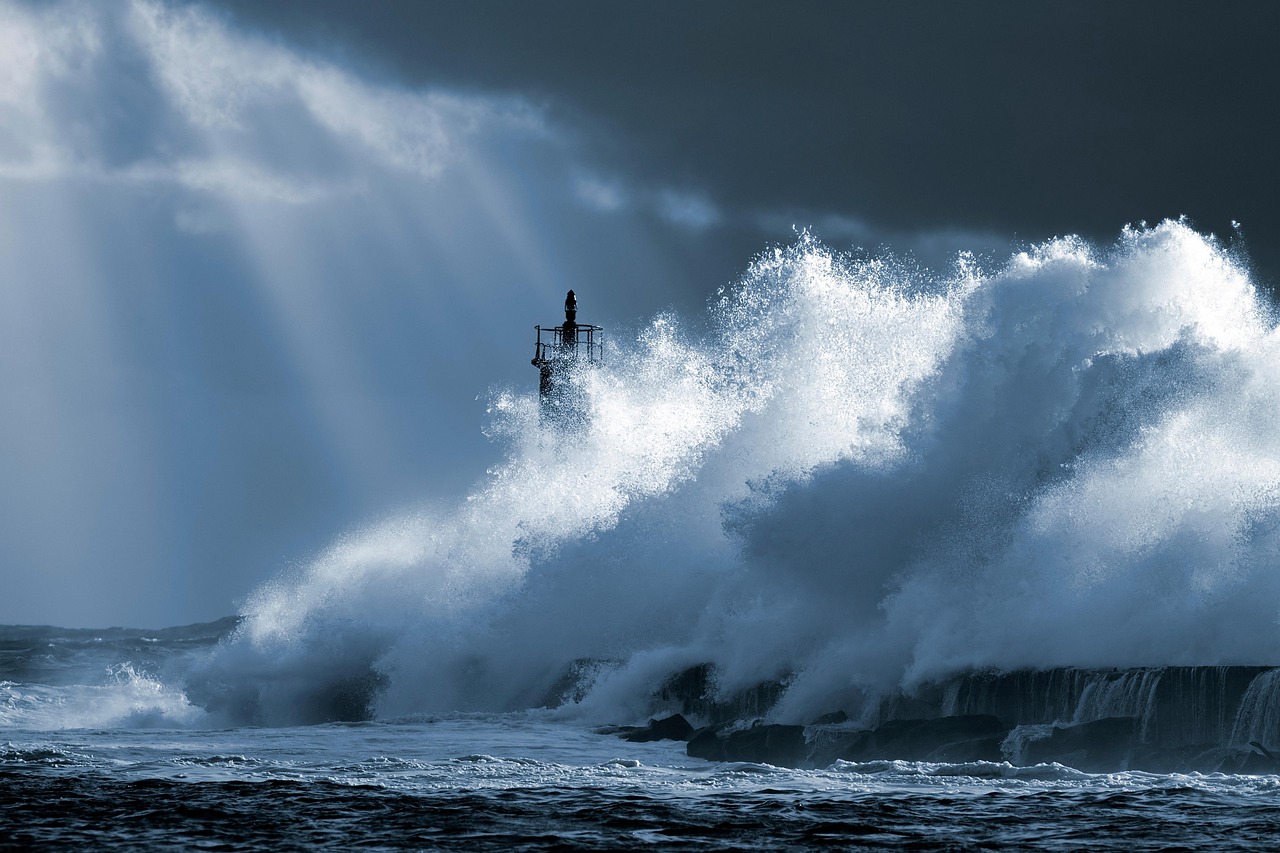
At its core, Heweliusz tells the story of a ferry that should never have set sail. In January 1993, the roll-on/roll-off ship left Świnoujście bound for Ystad in Sweden, despite heavy warnings of hurricane-force winds. Within hours, the vessel capsized amid waves more than ten meters high. Only nine people survived.
For decades, the tragedy lingered as a painful chapter in Poland’s modern history — marked by unanswered questions, official missteps, and lingering trauma among the victims’ families. Holoubek’s series is the first major dramatization of the event, mixing documentary realism with cinematic storytelling.
“This isn’t just about the sea,” Holoubek told Polish media before the premiere. “It’s about the system, the institutions, and the people who were caught inside them.”
Netflix’s Heweliusz is among the most ambitious Polish productions in recent years. The project involved more than 120 actors, over 3,000 extras, and extensive location shooting across Poland — in Świnoujście, Gdynia, Szczecin, and Warsaw — as well as scenes filmed in Belgium’s specialized water studios.
The production scale is visible on screen: the tempest sequences are staggering in scope and realism, with storm machines, full-size ship replicas, and hundreds of crew members recreating the chaos of a ferry being torn apart by wind and water.
Cinematographer Piotr Sobociński Jr. gives the show a cold, desaturated palette — a visual language of steel, salt, and fear. The sound design, too, is visceral: every creaking bolt and screaming gust becomes part of the psychological storm.
“Heweliusz will make you pause to catch your breath,” wrote Onet Kultura in its review. “It’s not just spectacle. It’s empathy rendered through noise and silence.”
More Than a Story
While its first episode depicts the catastrophe itself, the series quickly expands into a broader portrait of the aftermath: the families waiting for news onshore, the investigators piecing together fragments of evidence, the bureaucrats trying to control a national narrative.
“There are many mysteries in this story – even this picture doesn’t solve them.”
Kasper Bajon’s script interlaces three timelines — the night of the sinking, the ensuing investigation, and the long process of public reckoning — offering viewers a multifaceted look at grief and accountability. The story does not assign simple blame; rather, it invites viewers to question how institutions react when tragedy exposes their flaws.
Critics have compared Heweliusz to HBO’s Chernobyl in tone and structure — not because of nuclear parallels, but for its moral complexity and attention to systemic decay.
“It’s a story about the Polish 1990s,” wrote Rzeczpospolita, “when the country was learning democracy but still haunted by the machinery of the old state.”
Performances Anchored in Emotion
The ensemble cast — led by Magdalena Różczka and Michał Żurawski — delivers understated, emotionally grounded performances. Różczka portrays a journalist investigating inconsistencies in the official reports, while Żurawski embodies a sailor haunted by survivor’s guilt.
Why was what was in the Romanian wagons not revealed?
Other standout performances come from Jacek Braciak as a maritime inspector torn between truth and career, and Agnieszka Żulewska as a widow who refuses to let her husband’s death be forgotten.
Rather than romanticizing heroism, the show highlights the quiet endurance of ordinary people facing an indifferent system. Each episode peels back another layer of denial and despair, showing how grief morphs into activism — and how collective trauma shapes a nation’s conscience.
Critical Response: Admiration and Ambivalence
Reception has been largely positive. Reviewers across Polish outlets praised Holoubek’s craftsmanship and Netflix’s willingness to finance a large-scale historical drama outside the English-speaking world. Filmweb called it “a rare example of Polish television matching international standards in production design and storytelling.”
However, not all feedback has been unreserved. Some critics argue that five episodes feel too short to fully explore the human and political dimensions of the case. Others note that the series stops short of offering a definitive statement on the disaster’s cause — a deliberate creative choice that some found unsatisfying.
Still, most agree on its emotional impact.
“The storm scenes look hellish — a nightmare rendered in steel and foam,” wrote Joel Keller of Decider. “But the greater storm lies in the institutions that let it happen.”
A Global Ripple: Popularity in Poland and Germany
In its first week, Heweliusz became the #1 Netflix title in Poland and reached the Top 5 in Germany — an impressive feat for a Polish-language drama without English-speaking leads. Industry trackers attribute its success in Germany partly to proximity and shared Baltic history, but also to the universal nature of its themes: institutional failure, human error, and survival.
Rescue operation? Why didn’t rescuers save more than 30 people?!
German entertainment portals such as Fernsehserien.de and Moviepilot highlighted the series’ “haunting realism” and “cinematic power,” calling it one of Netflix’s most visually accomplished European originals. Polish and German viewers alike have flooded social media with discussions of personal memories — from news footage in 1993 to relatives who once worked on Baltic ferries.
Netflix confirmed that the show ranked among its most-watched non-English titles during its debut week, echoing the earlier success of Holoubek’s The Great Water. For many Polish creators, that international resonance is a sign that domestic stories can find a global audience without compromising authenticity.
Between Fact and Fiction
Depicting real tragedies always invites scrutiny. Some maritime historians and survivors’ relatives have questioned aspects of the dramatization — whether the series simplifies the technical causes, or dramatizes real individuals under composite characters.
Holoubek and Bajon have emphasized that Heweliusz is “inspired by true events” rather than a documentary, and that they worked with experts to ensure respect for the victims. “Our goal was never to assign guilt,” Bajon said in an interview. “It was to understand why truth is so hard to keep afloat.”
In that sense, the series functions less as a whodunit and more as a meditation on memory — how collective grief evolves, and how national myths are built upon silence.
The Viewers’ Voice
Audience reactions mirror that nuance. On Polish forums, many users describe the series as both devastating and necessary. One viewer wrote: “My father was a sailor in those years. Watching this brought tears, but also a kind of closure.”
Another, from Germany, commented: “You don’t need to be Polish to feel this. It’s about trust — in ships, in systems, in people — and what happens when it collapses.”
Criticism, too, has been thoughtful: some viewers wanted more focus on survivors’ stories, others on courtroom proceedings. But almost all agree that Heweliusz leaves a lingering silence after the final episode — the kind that demands reflection.
Cinematic Craft and Emotional Honesty
Part of the film series’ strength lies in its refusal to overdramatize. The camera often stays close to faces rather than grand explosions; the sea, while terrifying, becomes a metaphor for human helplessness.
Holoubek’s pacing is deliberate, even meditative. Each frame feels weighted with salt and regret. By the time the ship succumbs, the viewer already senses that the real tragedy is not the storm itself, but the chain of decisions that made it inevitable.
The series’ score — a blend of minimalist strings and industrial hum — deepens that sense of foreboding. In quieter scenes, the sound of the sea seeps into every conversation, reminding the audience that trauma, like water, seeps through every crack.
It wasn’t just one mistake. They accumulated.
Legacy and Significance
Three decades after the real MS Jan Heweliusz sank, Poland is still reckoning with its meaning. Official investigations were inconclusive; questions about cargo overloading, maintenance, and safety oversight remain debated among maritime experts.
By reviving these conversations, the Netflix series performs a kind of cultural archaeology — uncovering what time, politics, and bureaucracy tried to bury. In doing so, it joins a growing trend of European series revisiting local traumas through global streaming platforms: shows like Norway’s 22 July or Italy’s Gomorrah that translate national pain into universal stories.
“Heweliusz isn’t just about a shipwreck,” wrote a reviewer for Rzeczpospolita. “It’s about a country learning how to mourn.”
“Heweliusz”: a breathtaking Polish Netflix series – NO! Not a Quiet Triumph
Measured not only by numbers but by resonance, Heweliusz stands as a milestone for Polish television. It demonstrates that local storytelling — when approached with honesty and ambition — can travel beyond borders.
Netflix’s investment in Holoubek’s vision signals continued confidence in Central European creators who blend historical authenticity with cinematic flair. For audiences, it’s an opportunity to revisit history not as nostalgia, but as inquiry: What do we remember, and what do we choose to forget?
Hyena journalists
In one of the series’ final scenes, a character looks out at the calm Baltic Sea and whispers: “It looks peaceful, but it never forgets.” That line, simple yet piercing, encapsulates the entire spirit of Heweliusz — a story where remembrance becomes the only form of justice left.
Heweliusz is not an easy watch. It’s cold, heavy, and emotionally taxing. Yet it’s precisely this discomfort that makes it essential viewing. The series succeeds not only as a piece of television craftsmanship but as a cultural reckoning — a reminder that behind every maritime statistic lies a nation’s unhealed wound.
For Polish viewers, it’s a mirror held up to history. For international audiences, it’s proof that truth, even when submerged for decades, still finds its way to the surface.
Sources: Decider, Netflix Media Center