
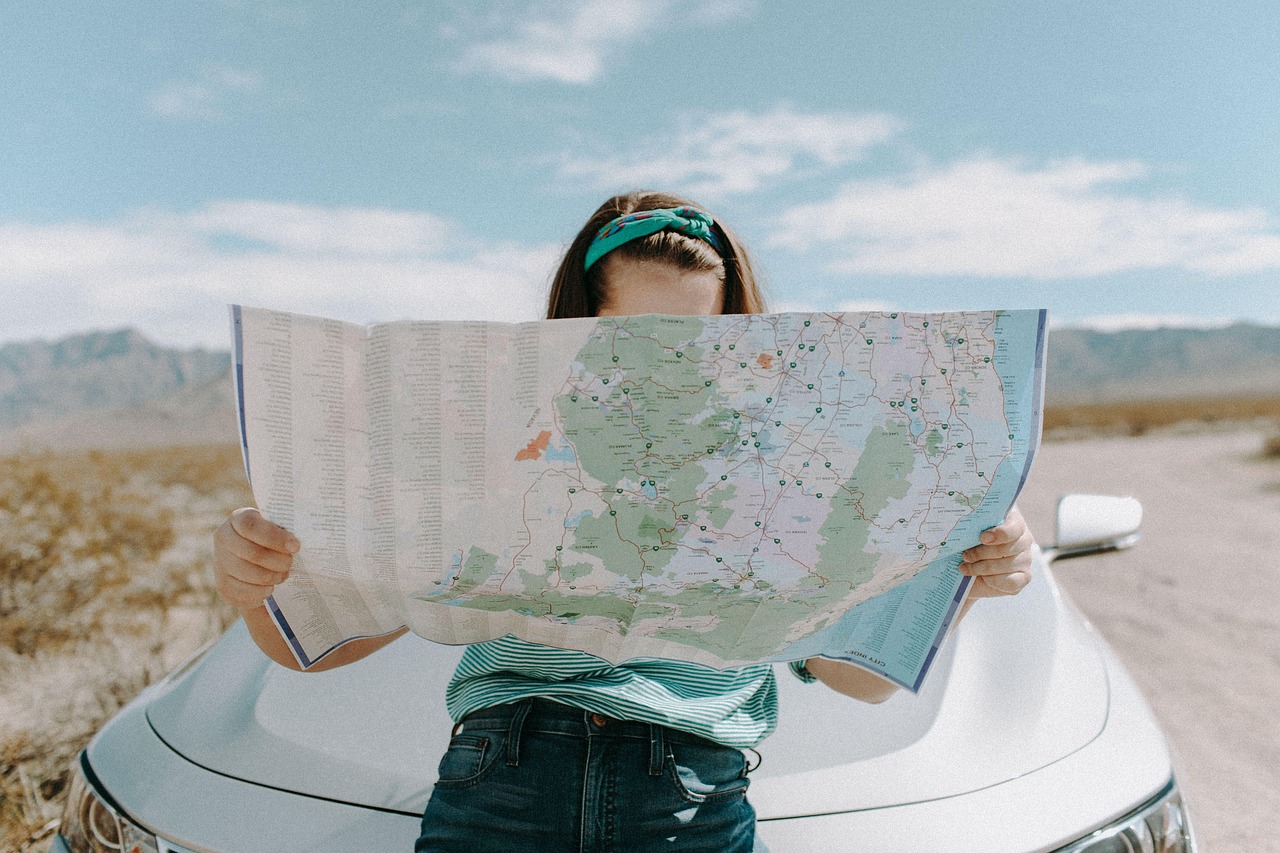
Start planning a trip – it can be an exhilarating experience, but it can also become overwhelming if you don’t have a clear process. Whether you’re preparing a weekend getaway, a two-week international adventure, or a long-term sabbatical, good planning helps you reduce stress, save money, and make the most of your time. This guide walks you through practical steps – before, during, and after your trip – so you can travel smarter and enjoy more.
Start with Why and Who
The first and most important question is: why are you traveling? Are you seeking relaxation, culture, nature, food, adventure, or a combination of these? Knowing your purpose will shape every decision that follows. Also consider who is traveling with you – solo, couple, family with kids, or a group of friends – because different companions influence pace, budget, and activities.
Set Clear Objectives
- Relaxation: fewer stops, longer stays, resort or private rental.
- Culture: city centers, museums, local experiences, guided walks.
- Nature/Adventure: national parks, hiking, outdoor gear, flexible schedules.
- Food and wine: food tours, markets, culinary classes, local recommendations.
Budget Smartly
Budgeting is both a practical necessity and a planning tool. Decide your total budget early and break it down into categories: transportation, accommodation, food, activities, insurance, visas, and a contingency fund (usually 10–20%). Prioritize what matters to you—spend more on things you care about and save on the rest.
Ways to Save
- Travel in shoulder seasons for better prices and fewer tourists.
- Mix accommodation types: a few nights in a splurge hotel and other nights in budget stays or homestays.
- Use public transport or walk in cities instead of taxis for everyday travel.
- Book flights and major transport early for the best prices, or watch for last-minute deals if you’re flexible.
Research and Build an Itinerary
Good research helps you create an itinerary that’s realistic and rewarding. Start broad – choose regions and key sights – then narrow down to daily plans. Leave room for spontaneity; the perfect trip balances structure and freedom.
Resources to Use
Consult credible travel guides and websites for up-to-date local information, safety tips, and inspiration. For global travel ideas and practical tips, check resources like Lonely Planet and inspiring destination features on National Geographic Travel. Also use local tourism offices and official government travel advisories for safety and entry requirements.
Create a Realistic Day-by-Day Plan
- Block travel days and downtime first – travel is tiring and you’ll want recovery time.
- Group activities by location to minimize transit time.
- Limit to one or two major things per day plus open time for exploration.
- Note opening hours, booking requirements, and seasonal closures.
Book Intelligently
Once you have a rough plan, start locking in the essentials: flights, long-distance trains or buses, and at least your first few nights of accommodation. Booking early generally secures lower prices and better choices; however, keep an eye on flexible cancellation options in case plans change.
Accommodation Tips
- Read recent reviews and check location relative to transit and sights.
- Consider apartment rentals for longer stays or when traveling with family – more space and the ability to cook can reduce meals costs.
- For unique stays, balance novelty against reviews and safety.
Take Care of Documents and Health
Document and health preparation is non-negotiable. Check passport validity (many countries require at least six months remaining), visa requirements, and whether you need specific vaccinations. Print or save digital copies of travel documents, reservations, and emergency contacts.
Travel Insurance
Buy travel insurance that covers medical evacuation, trip cancellation, lost baggage, and emergency assistance. For adventure travel or specialized activities, make sure your policy explicitly covers those risks.
Packing: Pack Less, Pack Smart
Overpacking is a common travel mistake. Make a packing list based on climate, planned activities, and duration. Use a capsule wardrobe approach—neutral pieces that mix and match. Roll clothes to save space and avoid wrinkles. Always pack essentials in your carry-on: medications, chargers, a lightweight waterproof layer, and at least one change of clothes.
Tech and Practical Extras
- Power adapters and a portable charger.
- Copies of important documents in a secure cloud folder.
- Reusable water bottle and lightweight daypack.
- Small first-aid kit and any personal prescriptions.
Money Matters
Notify your bank of travel plans to avoid card blocks. Carry a mix of payment methods: one or two cards, a small amount of local cash, and a backup card stored separately. Research tipping customs and transaction fees for foreign cards.
Learn Local Basics
Before you go, learn a few basic phrases in the local language and read up on cultural norms. Simple greetings, thank-yous, and polite phrases go a long way. Understanding basic etiquette – dress codes, bargaining norms, or tipping practices – will help you connect and avoid faux pas.
Safety and Flexibility
Stay informed about local conditions and follow common-sense safety practices: keep valuables out of sight, avoid risky areas at night, and share your itinerary with a trusted contact at home. But also remain flexible—weather, transport delays, or local holidays can change plans. Embrace the unexpected as part of the journey.
Use Technology Wisely
Smart apps can make travel easier: offline maps, language apps, transport timetables, and local food guides. Pre-download maps for areas without reliable data and save key addresses in both local script and your phone. A curated list of apps will speed up on-the-ground decisions and keep you organized.
Sustainable and Respectful Travel
Think about the impact you have on destinations. Choose eco-friendly accommodations, support local businesses, and follow established trails in natural areas. Respect wildlife by observing from a distance and avoid single-use plastics where possible. Responsible travel helps preserve destinations for others—and for future visits.
Final Checklist and Pre-Departure Routine
In the week before departure, reconfirm major reservations, check flight statuses, and ensure all documents are accessible. Pack a small “day-before” bag with essentials you’ll need immediately upon arrival. On the day of travel, arrive early, stay hydrated, and give yourself extra time for airport procedures.
Sample Pre-Departure Timeline
- 3 months out: Finalize destinations, set budget, book flights and major transport.
- 6–8 weeks out: Book accommodation and major activities, apply for visas if needed.
- 2–4 weeks out: Buy travel insurance, get vaccinations, start packing a trial suitcase.
- 1 week out: Confirm bookings, notify bank, download maps and apps, check weather.
- Day before: Pack carry-on essentials, get plenty of rest, print or save documents.
After Your Trip
Once you return, take a moment to reflect. Back up photos, write notes about favorite places, and review what worked and what didn’t. Your experiences will inform better planning next time. Sharing thoughtful reviews helps future travelers and local businesses.
Planning doesn’t have to take the joy out of traveling. With a clear sense of purpose, a realistic budget, solid research, and a few smart tools, you can create a trip that’s both memorable and manageable. Happy travels – and if you’re looking for more travel resources or inspiration, check out Geekub.com for related posts and tips.